
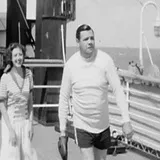
In baseball, the Live Ball Era is when many rule reforms in 1919 and 1920 prompted teams to implement offensive tactics that favored control in the inner game typical in the Dead Ball Era. It is often known as the lively ball era. The Major League Baseball period started in 1920 and continues today instead of the dead-ball period of pre-1920.
The term "Live Ball Era" derives from the drastic uptick in violent numbers, which directly result from a series of reforms implemented in 1920, which, conversationally, have resurrected the ball. Baseball became more critical and famous during the live-ball era.
Dead Ball Era
The dead-ball era was before the introduction of the Live Ball Era in baseball. It was the time when Babe Ruth indeed became a power-hitter from approximately 1900 up to 1919. That year, he hit 29 houses, an unprecedented feat. For everyone else, in 1921, the dead-ball stopped suddenly. Perhaps because of a new ball that is tougher and tighter, the ballpark outfields become smaller.Rules
After the tragic beaning in 1920 of Cleveland Ray Chapman, the dead-ball era came to an end. At the 5th start of a twilight match with the New York Yankees, Chapman was assassinated by an underwater pitch from Carl Mays. In reaction to Chapman's death and making the game more active, the current Commissioner of Baseball, Kenesaw Mountain Landis, adopted some new rules during that season.Instead of adjusting ball construction, the rules stayed consistent between the dead and Live Ball Era. Changes to the rules were applied to the handling of balls. From 1920, hops were replaced by the first wear sign, resulting in a much brighter and simpler ball to be seen by a batter. Besides, pitches could not deface, scuff, or apply foreign substances to the ball anymore.
Almost inevitably, the effect of the law reforms was felt. In 1920, the game shifted to high-score sports, with a new dependency on the household. Babe Ruth made a record for a sluggish percentage that year and struck 54 runs in the house. Helping to excel, Ruth held the bat down and hit with an uppercut, mostly to drive the runs home. The Live Ball Era had a lasting influence on pitchers as well. Eight pitchers had 30 win seasons between 1910 and 1920, the last ten years of the dead-ball era. In the first complete season of the live ball, only three pitches had 30 win seasons since the 1921 season.